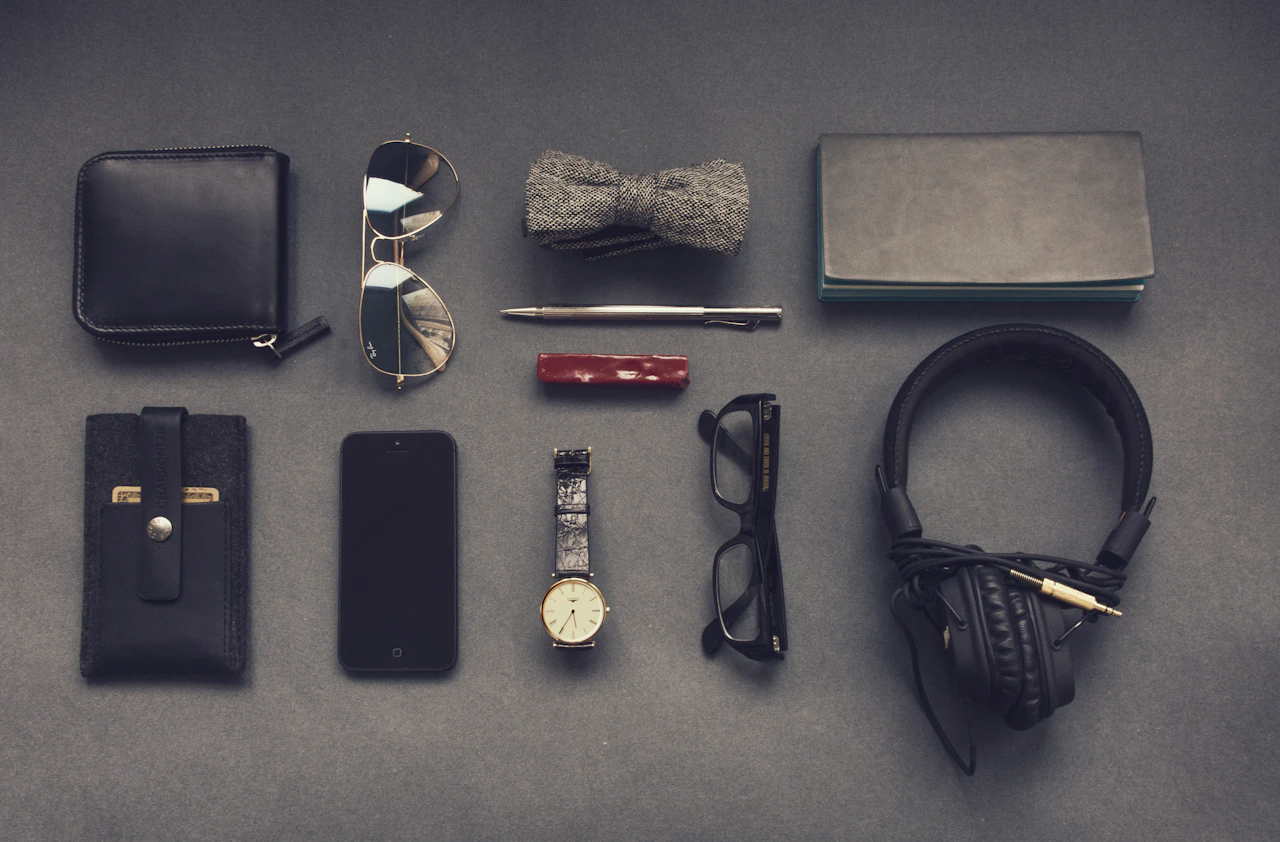
Mobile gaming in 2026 isn't just about raw silicon. It's about a curated ecosystem: controllers that restore precision, cooling that preserves sustained frame-rates, chargers and powerbanks that keep you in long sessions, network tools that cut latency, and accessories that convert a phone into a competitive platform. This guide distills the must-have accessories every serious mobile gamer should own, why they matter, and how to prioritize purchases for tournament play, streaming, and travel.
Before we jump in: if you want context on how modern midrange phones now carry creator workflows (and why accessory choice changes with newer SoCs), read our analysis on how midrange phones lead creator workflows in 2026.
1. Controllers — regain console precision on a phone
Types: clip-on, full-frame, and docked controllers
Choose the style that matches your games. Clip-on controllers (Backbone-style, Razer Kishi family, GameSir) fit tight to the phone and reduce input lag because they route inputs through the USB/Lightning port. Full-frame controllers (Bluetooth or custom docks) offer bigger grips and battery life extensions. If you're streaming to a living room setup, a docked controller that pairs with a cloud stick or mini-PC can be ideal.
What to look for: latency, ergonomics, and passthrough charging
Prioritize low latency (USB-based controllers typically beat Bluetooth in tournament settings), comfortable ergonomics for long sessions, and passthrough charging so a controller doesn't block fast charging. Also check official compatibility lists — some controllers advertise support but have quirks on specific phone models.
Buy smart: security and scam awareness
Third-party controllers proliferate — but so do shady sellers. For advice on spotting counterfeit or scammy mobile peripherals and securing purchases, see our primer on spotting scams in gaming. Always buy from authorized vendors or established marketplaces with return windows.
2. Cooling solutions — keep sustained performance stable
Active vs passive cooling: when each wins
Active clip-on coolers with small fans and heat pipes are still the go-to for long competitive sessions and cloud-streaming where thermals throttle FPS. Passive solutions like thermal cases or graphite pads are quieter and lighter, best for casual long-form play where acoustics matter. If you prioritize maximum FPS and throughput, active cooling is the investment that shows measurable gains.
Practical targets: how much improvement to expect
Expect 10–25% better sustained CPU/GPU clocks in heavy workloads when a good active cooler is used versus stock thermals — that translates to smoother 90+ second windows of peak performance and fewer frame dips. We tested similar setups in multi-session cloud-play case studies; see how studios tuned their rigs in our cloud plays case study for examples of thermal optimization in real workflows.
Installation tips and maintenance
Use thermal paste or high-quality thermal pads when applicable, avoid covering vents, and clean fan blades monthly if you game in dusty environments. For tournament gear, pack spare adhesive pads and a microfibre towel — small maintenance prevents mid-match failures.
3. Power & charging — avoid mid-game brownouts
Fast chargers, PD standards, and power banks
2026 has more universal power delivery—but not all phones accept the same peak charging. Check your phone's PD profile. A 65W USB-PD charger is overkill for many phones but future-proofs for laptops and captures devices. High-capacity (20,000mAh) power banks with 30–45W USB-C output are the sweet spot for long sessions.
Multi-device charging: consolidate and simplify
If you run a streamer rig with a phone, smartwatch, and wireless earbuds, a one-pad or multi-port station clears clutter. We recommend reading our hands-on guide to choosing a consolidated charger: one charging station for your phone, watch and smart glasses. Multi-port stations that support PD passthrough let you charge the phone while powering a dock or controller simultaneously.
Deal tactics for chargers
Chargers and power banks see heavy discounting during flash sales. To avoid FOMO, set price alerts and learn automated tracking — our piece on automating price monitoring covers simple scripts and apps that snag deals without constant manual tracking. Combine that with coupon stacking techniques from our guide on hyperlocal drops & coupon stacking and you’ll save 20–40% on high-end chargers.
4. Network & latency tools — because ms still matters
Travel routers, pocket hotspots, and prioritized Wi‑Fi
If you play on the go, a travel router with client mode, MU-MIMO and local QoS controls changes multiplayer outcomes. For how to pick one that keeps you connected on the road, see our travel router review: how to stay connected on the road. Look for routers that support wired LAN uplinks for tournament hotels or events.
5G, external antennas, and local network resilience
5G helps, but real-world performance varies. Use an external antenna or bonded connections when available. Also plan for outages — redundancy matters for streamers. Our guide on redundancy playbook is a practical read for protecting tournaments and broadcasts from single points of failure.
Edge strategies and liveops interaction
Network design matters beyond your router. If you run micro-events or community streams, integrate edge-forward routing and small-scale LiveOps strategies. For advanced planners, our analysis on advanced LiveOps and micro-event strategies shows where network design intersects with event reliability.
5. Audio & communication — hear and be heard accurately
Wired headsets vs true wireless earbuds
Wired headsets still beat wireless for consistent low-latency audio and comfortable long sessions. Modern TWS (true wireless) earbuds close the gap, but check for game modes or dedicated low-latency codecs. If you stream voice comms while gaming, a headset with a detachable mic or a compact USB-C condenser can be worth the premium.
Voice clarity and noise control
Use a boom mic or a USB-C condenser with a cardioid pattern for stream-quality comms. Ambient noise suppression (either in-hardware or via software) matters if you game in shared spaces; look for devices with proven DSP processing.
Audio routing for multi-channel streams
Streamers should route game audio, chat audio, and system sounds separately. Compact DACs and simple mixers exist that pair natively with phones. If you use cloud PC sticks or mini-PCs to stream, check our comparison of cloud-PC sticks vs mini-PCs to decide which downstream audio routing fits your workflow.
6. Streaming & capture — from phone to broadcast
Capture devices and wired capture vs screen-capture apps
Hardware capture cards still provide the cleanest, lowest-latency feed for multi-camera streaming. If you use in-phone capture, system overlays and throttling can limit quality; hardware capture paired with a portable encoder provides the best quality for tournaments.
Tripods, clamps, and phone mounts
Rigid mounts reduce micro-oscillations and keep camera angles consistent. Look for cold-shoe adapters if you mount lighting or mics. Compact, repeatable mount setups minimize setup time — great for pop-up streams or on-site tournaments.
Workflow: phone → cloud or mini PC
Decide whether you route your phone feed into a cloud encoder or a local mini-PC. We mapped trade-offs in our cloud vs mini-PC field analysis — read cloud-PC sticks vs mini-PCs to choose which path simplifies your streaming chain. Smaller creators often pair a high-quality phone feed with a cloud encoder for scalable streams; advanced creators prefer low-latency local encoding.
7. Comfort, ergonomics & recovery — play longer, recover faster
Ergonomic grips and anti-slip cases
Grips reduce hand fatigue and improve tap precision. Ergonomic cases that redistribute pressure can reduce hotspotting on a phone's back and improve thermal exchange with active coolers. If you have mechanical watches or metal accessories, read the caveats on magnetic attachments in our piece about magnetic phone wallets before sticking magnets near your gear.
Recovery tech: wearables, insoles, and smartwatches
Esports recovery is mainstream — pro players now use wearables, foot insoles, and sleep-aware smartwatches to avoid repetitive strain. Our field guide on esports recovery covers what tools are actually used by pro teams in 2026 and how to integrate them into daily routines.
Stretching, breaks, and scheduling
Combine timer-based break reminders with short mobility routines. Small investments (wrist supports, a gel pad) prevent chronic pain and maintain reaction times across marathon sessions.
8. Buying strategies & deal hunting — get the best value in 2026
Where discounts come from and how to time purchases
Flash sales, manufacturer refresh cycles, and event-driven hyperlocal drops fuel discounts. For tactical approaches to coupon stacking and local drops, see our tactical guide on hyperlocal drops & coupon stacking. Pair that with automated price tracking for persistent watch lists — our price automation guide shows how to set alerts so you never miss a durable accessory discount: automating price monitoring.
Tradeoffs: buy once vs buy better
Some accessories (controllers, high-end headsets) should be purchased at higher quality to avoid replace cycles. Others (cables, simple mounts) are safe to buy budget but look for warranties. For coupons and platform-level savings, our overview of modern coupon platforms outlines where structurally better discounts exist: coupon platform evolution.
Lessons from CES: budget buys that surprised us
Consumer shows still reveal high-value accessories. For example, some CES deals highlighted surprisingly robust budget gadgets; our round-up of family and consumer deal lessons includes tips that apply to gamers hunting peripherals — read budget gadget lessons from CES for transferable tactics.
9. Putting it together — prioritized accessory setup for common use cases
Tournament-ready checklist (minimal, high-impact)
1) USB‑based controller with passthrough, 2) active clip-on cooler, 3) wired headset with boom mic, 4) travel router with wired uplink, 5) high-output PD powerbank. These choices minimize single-point failures and give you the highest chance of consistent competitive performance.
Streamer checklist (best audiovisual fidelity)
1) hardware capture device or low-latency encoder, 2) compact DAC/mixer, 3) condenser mic, 4) multi-port charging station, 5) stable tripod and lighting. If you need a decision framework, our case study on cloud play and creator workflows shows how studios balanced capture and thermal constraints: studio setup case study.
Traveler / on-the-go checklist
1) compact clip-on controller, 2) travel router, 3) 20,000mAh PD powerbank, 4) active cooler (if you expect long sessions), 5) compact clamp and mount. For portable streaming decisions, our cloud vs mini-PC analysis can help you choose whether to stream locally or offload to a cloud stick: cloud-PC sticks vs mini-PCs.
Pro Tip: For the highest sustained in-game FPS, prioritize cooling + wired networking before upgrading to the highest-cost controller. Thermals and latency are the biggest hidden bottlenecks.
10. Troubleshooting & security — protect sessions and gear
Common hardware failures and quick fixes
Controller pairing issues: reset and firmware update. Cooling fan stops: check battery / USB and dust. Charger passthrough fails: try alternate PD cable and check PD profile. Pack spares of the highest-failure items (cables, thermal pads).
Account & purchase security
Only buy from trusted sources, verify serial numbers when prompted, and use platform buyer protections. If you plan to integrate third-party peripherals into tournament ecosystems, test them in the environment in advance to avoid odd compatibility issues — for scam spotting and purchase security, revisit spotting scams in gaming.
Planning for outages and event risk
Design redundancy in networking, local encoding, and power. Our redundancy playbook covers failover options and testing regimes you should run before major events.
Quick comparison: five must-have accessories (table)
| Accessory | Why it matters | Representative models | Price range (USD) | Pro tip |
|---|---|---|---|---|
| Clip-on Controller | Restores tactile accuracy; lowers input lag | Backbone One, Razer Kishi, GameSir X2 | $50–$150 | Prefer USB passthrough for charging |
| Active Cooler | Prevents thermal throttling during extended play | Belt-style fan modules, brand clip-on coolers | $30–$120 | Match to phone vent layout; bring spare pads |
| High-output PD Powerbank | Keeps phone, controller, and capture gear charged | 20,000mAh with 30–65W PD | $60–$160 | Check passthrough behavior and PD profile |
| Travel Router / Mobile Router | Stable, prioritized uplink on the road | Pocket routers with MU-MIMO & QoS | $50–$200 | Prefer devices with wired LAN options for venues |
| Detachable Mic / Headset | Clear comms and streaming voice quality | USB-C condensers, wired gaming headsets | $40–$250 | Use noise-gating in software to cut ambient noise |
FAQ — quick answers to common questions
Is a clip-on cooler necessary for all phones?
Not always. If you game casually or your phone has a large vapor chamber and efficient cooling, passive solutions may suffice. Competitive players running high-refresh titles for hours will see the biggest benefits from active cooling.
Do wireless controllers add too much input lag?
Bluetooth controllers can have higher latency than USB-connected controllers. Modern low-latency Bluetooth codecs and proprietary USB-over-C modes have closed the gap, but for tournament play, wired USB controllers remain preferred.
How do I choose a powerbank for long streaming sessions?
Pick a PD-capable bank that supports passthrough, has at least 20,000mAh, and supplies 30W or more if you want to charge the phone and any small peripherals simultaneously.
Are magnetic phone wallets a risk to my accessories?
Magnets can affect mechanical watches and some sensors. See our deep dive on magnetic phone wallets and mechanical watches before using magnets near sensitive gear: magnetic phone wallets and watches.
How can I find the best deals on accessories?
Use coupon stacking and price-monitoring tools. Our practical guides on hyperlocal drops and price automation will teach you how to set watchlists, apply coupons, and catch flash sales efficiently.
Final checklist & next steps
Build your kit in this order: controller → cooling → power → network → audio → streaming peripherals. For creators and small studios evaluating whether to offload encoding to cloud sticks or keep things local, revisit our comparative field analysis of cloud sticks and mini-PCs to choose the right path: cloud-PC sticks vs mini-PCs.
If you run pop-up events or community micro‑events, integrate LiveOps and edge strategies into your planning to avoid latency spikes and outages — our LiveOps playbook is a practical companion for event planners: advanced LiveOps & micro-events.
And if you want evidence-based recovery tech to maintain performance and reduce injury risk, our esports recovery guide explains which wearables, insoles, and smartwatches pro players recommend: esports recovery wearables.
Resources & further reading
To save money on accessories, layer coupon platforms with automatic price monitoring tools; read more on coupon evolution here: coupon platform evolution, and for tactical discount capture see our hyperlocal drops guide: hyperlocal drops & coupon stacking. For travel-specific connectivity, our travel router review is essential: travel routers review.
Finally, if you want to extract higher sustained performance from your setup, study studio case studies that show how pro creators balanced thermal, network, and capture trade-offs: studio case study.
Related Reading
- Spotlight on the Hottest Tech Toys of 2026 - A fast read on which new gadgets actually deliver value this year.
- Portable Massagers & Traveler Recovery Kits — 2026 Review - Useful recovery tools for long gaming sessions and travel.
- Resident Evil Requiem Performance Preview - A deep dive into performance expectations across platforms.
- Optimizing Unity for Low-End Devices - Tactics that matter if you develop or test mobile games.
- JPEG-Optimized Edge CDN & On‑Device Upscaling — Hands-On Review - Great context for creators handling visual assets at scale.

